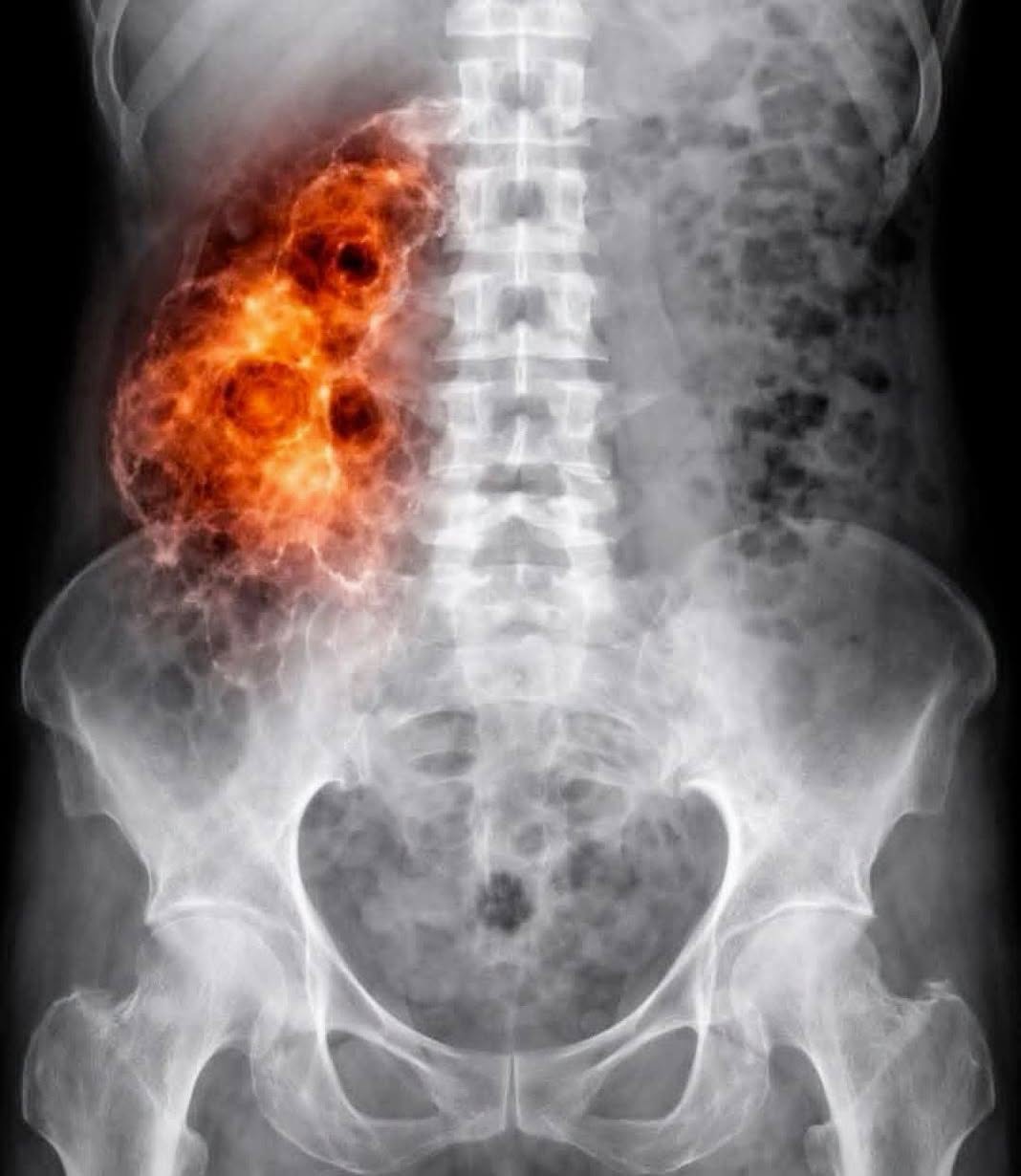
Headlines beginning with “Warning: People vaccinated against COVID-19 may…” are designed to make readers stop and wonder what comes next.
The missing words are often the most important part.
May what?
Develop a particular condition?Covid-19
Experience a side effect?
Need another dose?
Face a long-term risk?
Or simply experience a temporary reaction that is already well documented?
Without the rest of the original headline and its source, it would be irresponsible to invent the missing claim. COVID-19 vaccine information has been the subject of enormous amounts of misinformation, and health-related headlines can cause unnecessary fear when they remove important context.
What is known is that COVID-19 vaccines, like other medical products, can cause side effects. Most reported reactions are mild and temporary, while serious adverse events are uncommon. At the same time, vaccines are not risk-free, and researchers and health authorities continue to monitor their safety.
The key is understanding the difference between a possible adverse event, a confirmed causal relationship, and a sensational claim.
Why COVID-19 Vaccine Headlines Need Context
A headline containing the word “may” can sound alarming.
But “may” is an extremely broad word.
In medical science, something “may” happen if there is evidence that it is possible, even when the event is uncommon.
For example, many ordinary medications can cause side effects that occur only rarely.
The existence of a possible side effect does not mean that everyone taking the medication will experience it.
The same principle applies to vaccines.
A responsible discussion therefore needs to answer several questions:
How common is the event?
How serious is it?
Is there evidence that vaccination caused it?
Which vaccine is involved?