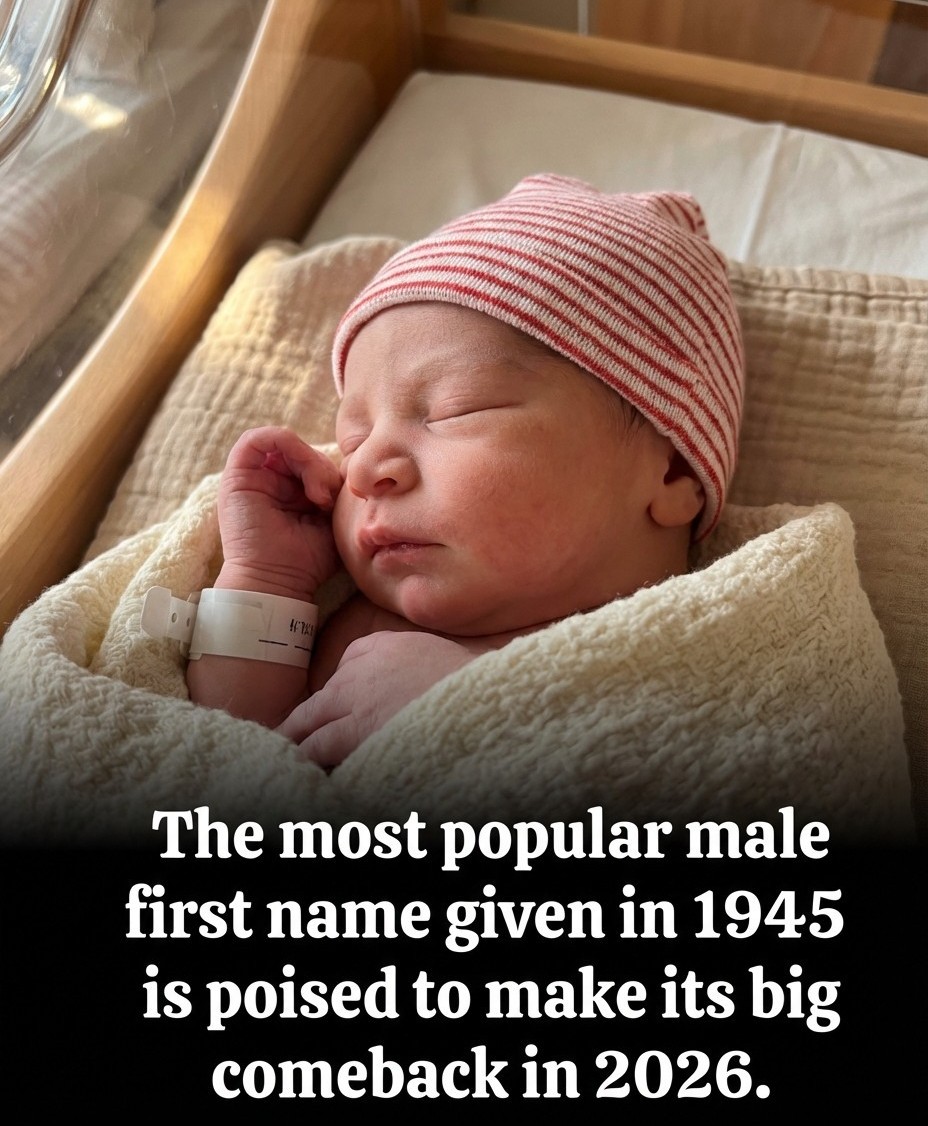
Naming experts suggest that the appeal of Marcel lies in its “quiet character.” In an age of performative social media presence, many parents are intentionally avoiding names that feel like loud branding. They want a name that allows the child’s individual personality to take center stage, rather than a name that demands attention for its own sake. Marcel carries a soft, melodic quality that suggests intelligence, empathy, and a refined sort of strength. It is a “Goldilocks” name—not too common to be anonymous, but not so rare as to be eccentric. It feels established yet fresh, a combination that is increasingly becoming the “holy grail” for millennial and Gen Z parents.
The return of Marcel also signals a shift in how we perceive masculinity in the mid-2020s. While previous decades often favored harsh, aggressive-sounding names for boys, or perhaps overly soft and invented ones, Marcel offers a middle ground. It reflects a modern ideal of masculinity that values emotional intelligence and quiet confidence. It is a name that ages with remarkable grace; it sounds as charming on a toddler as it does professional on an executive or distinguished on a retiree. This longevity is a key factor for the 2026 parent, who is increasingly weary of “fast fashion” trends—even when it comes to language.
Furthermore, the international versatility of Marcel cannot be overlooked. In a world that is more interconnected than ever, parents are looking for names that can travel. Marcel possesses a distinct European flair—evocative of French bistros and Mediterranean coasts—while remaining perfectly accessible in English, German, and Spanish-speaking contexts. This “global-classic” status makes it an attractive option for expatriate families and those who want their children to have a name that feels at home anywhere in the world. It provides a sense of cultural heritage without being tethered to a single, narrow identity.
By 2026, the rise of Marcel has become more than just a data point in a baby name book; it is a symbol of a deeper collective desire for meaning. Choosing a name is one of the first and most significant acts of curation a parent performs. By opting for a forgotten classic, parents are making a statement about the values they hope to instill: a respect for the past, an appreciation for simplicity, and a belief in things that endure. They are rejecting the “disposable” nature of modern trends in favor of something that has already proven it can stand the test of time.
As registries fill with Marcels and Colettes, it is clear that we are entering an era of “Refined Traditionalism.” This isn’t a retreat into the past out of fear, but rather a thoughtful re-evaluation of what makes a name successful. The names being rediscovered now are those that possess a certain “vibrational” quality—they feel good to say and good to hear. Marcel, with its gentle “m” and crisp, clear ending, is the epitome of this tactile linguistic satisfaction. It is a name that feels “real” in a world that often feels artificial.